Table of Contents
Let’s be honest—if you’ve ever watched a crime thriller, browsed Reddit at 2 a.m., or talked to that one overly tech-savvy friend who uses five VPNs and won’t stop bragging about it, you’ve probably heard of the Dark Web. And then, suddenly, someone drops Deep Web into the mix like it’s some mysterious cousin no one talks about at family reunions.
But don’t worry. We’re here to clear up the confusion and hopefully not end up on a government watchlist while doing it.

Let’s start with the Deep Web.
Despite sounding like something from a horror movie (“The Deep Web: This time, it’s personal”), the Deep Web is actually not scary at all. It just refers to all the parts of the internet that aren’t indexed by search engines like Google, Bing, or whatever Yahoo is doing these days.
So when you check your email? That’s Deep Web.
Your bank account info? Deep Web.
That awkward family group chat in Facebook Messenger where your uncle keeps sharing outdated memes? You guessed it—Deep Web.
Basically, anything that lives behind a login, paywall, or private server is part of the Deep Web. It’s not secret or shady—it’s just hidden from public search. You can’t Google someone’s private medical records or your online shopping cart (thankfully, because that would be embarrassing).
Think of the Deep Web as your house. It exists, it’s very real, and it contains your stuff—but it’s not listed in the phone book or visible from the street. You need a key to get in.
Now, about that Dark Web.
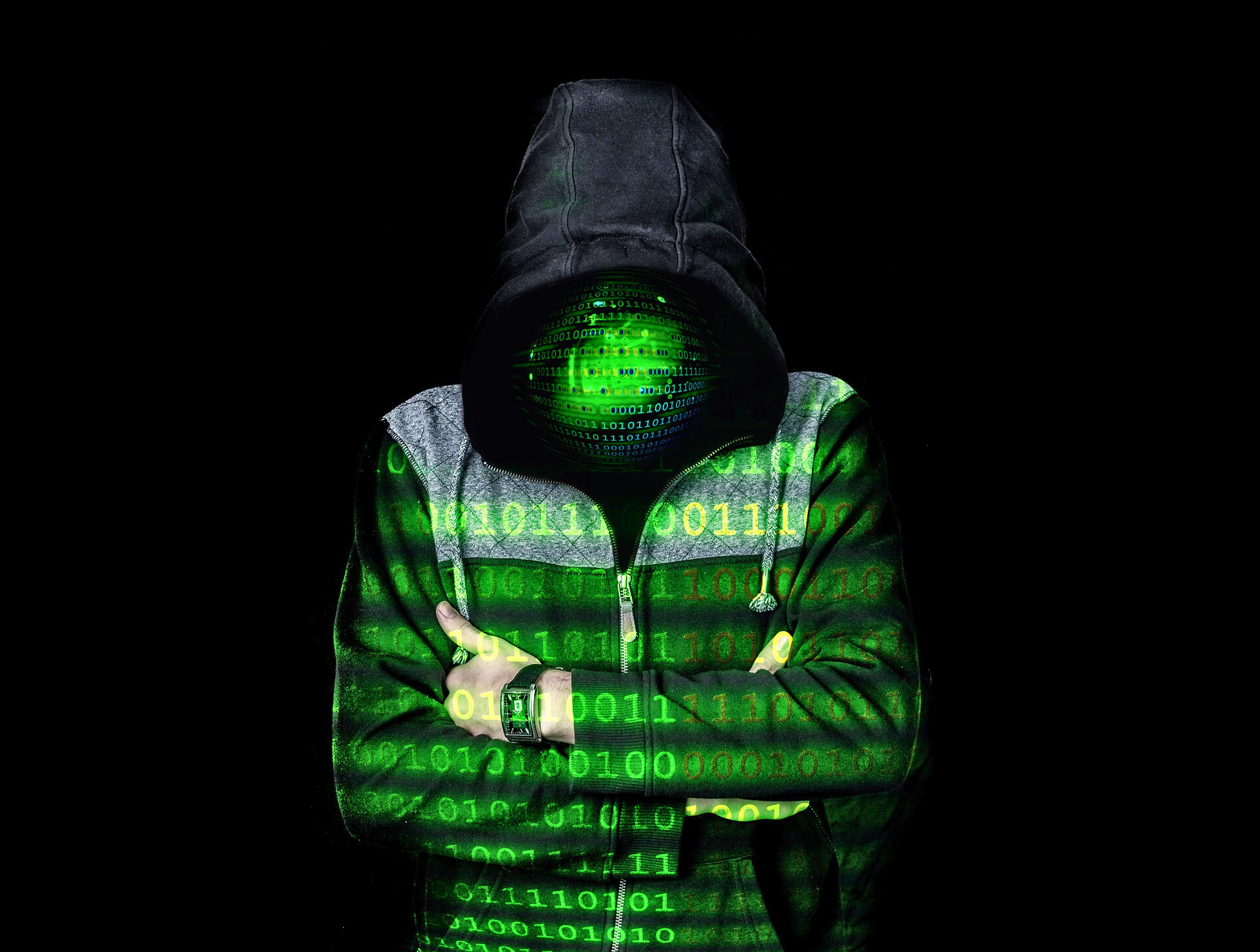
Here’s where things get a little more… mysterious. The Dark Web is a small section within the Deep Web that’s intentionally hidden and can’t be accessed with a regular web browser. You’ll need special tools like Tor (The Onion Router—no relation to the satirical news site, sadly) to access it.
The Dark Web is where a lot of shady activity happens—think black markets, counterfeit documents, and people selling things no one should be selling, like hacked Netflix accounts or grandma’s cookie recipe (okay, maybe not that last one). It’s where anonymity rules the streets, and most sites have names like “xv72dfdjs.onion” which look more like your cat walked across the keyboard than anything readable.
But here’s a twist—not everything on the Dark Web is illegal. There are forums, whistleblower sites, private communication channels, and even libraries. Some people use it for legitimate privacy reasons, like journalists talking to sources in countries with heavy censorship, or just people trying to browse the internet without leaving a data trail that would make even Amazon say, “Whoa, that’s a lot.”
So what’s the big difference?
Okay, let’s break it down super simply:
- The Surface Web is what you use every day. Google, Wikipedia, YouTube—your digital comfort food.
- The Deep Web is the private stuff. Your email inbox, subscription sites, anything not indexed by search engines.
- The Dark Web is the secret alleyway behind the Deep Web. It’s hard to find, harder to navigate, and sometimes full of people trying to sell you fake passports and questionable substances.
Imagine the internet as an iceberg. The part above the water is the Surface Web—just the tip. The Deep Web is the massive chunk underneath, and the Dark Web? It’s the creepy cave at the bottom with a flickering lightbulb and a guy selling “totally legit” concert tickets.
Should you be scared of the Dark Web?
Honestly? Not really. It’s not going to attack you in your sleep. Just like a dark alley, if you don’t go poking around with a flashlight yelling “Is anyone selling illegal stuff in here?” you’ll probably be fine. But it is important to know that bad actors hang out there, so if you’re curious and want to explore, take some precautions—use a VPN, don’t click on random links, and for the love of all that is digital, don’t download anything.
Also, maybe don’t go bragging about your Dark Web adventures on social media. That’s like walking into a biker bar and loudly announcing, “I’m just here for the vibes!”
In conclusion
The Deep Web is just the normal, hidden part of the internet that you use every day without realizing it. The Dark Web is a darker, intentionally secretive part of the Deep Web where anonymity reigns supreme. One is harmless, the other can be risky, but both are way less scary than Hollywood makes them out to be.
Just remember: not everything hidden is evil, and not everything visible is safe. And if someone offers you a 90% discount on luxury watches on a site that ends in .onion, maybe… just maybe stick with your local mall.